
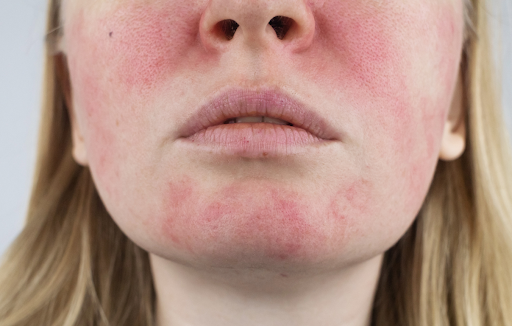
As the warmer months approach, many people begin to notice something frustrating happening to their skin. Redness becomes more noticeable, flushing happens more easily, and skin that felt relatively calm during winter suddenly becomes reactive and sensitive. For patients living with rosacea or chronic facial redness, summer can feel particularly challenging.
The key question many patients ask me is simple: why does rosacea flare more during warmer weather, and what can actually help calm it down?
The answer often lies in the skin barrier. When the skin barrier becomes compromised, it loses its ability to protect itself from environmental triggers such as heat, sunlight, pollution and inflammation. Strengthening this barrier before summer arrives is one of the most effective ways to manage rosacea and persistent redness.
At Fountain of Youth Salisbury, my approach focuses on calming inflammation, restoring the skin barrier and gradually improving skin resilience so that the skin becomes less reactive over time.
Understanding Rosacea and Chronic Facial Redness
Rosacea is a long term inflammatory skin condition that primarily affects the central face. It is commonly associated with redness, visible blood vessels and sensitivity.
While rosacea can appear in different forms, many patients experience:
- Persistent facial redness
- Flushing episodes triggered by heat or stress
- Burning or stinging sensations
- Visible capillaries across the cheeks or nose
- Skin that reacts strongly to skincare products
Although rosacea is often mistaken for simple sensitivity, it is actually linked to inflammation and vascular instability within the skin.
Triggers can vary from person to person, but common causes include:
- Heat and sun exposure
- Alcohol or spicy foods
- Stress and hormonal changes (bigger cause than most appreciate)
- Harsh skincare ingredients
- Environmental factors such as pollution
Understanding these triggers allows us to build treatment strategies that focus on strengthening and protecting the skin.
Why Rosacea Often Worsens Before and During Summer
One of the reasons I emphasise early treatment in spring is because heat and ultraviolet exposure can significantly aggravate rosacea symptoms.
When skin temperature rises, blood vessels expand in a process called vasodilation. For individuals with rosacea, these vessels are already more reactive than normal.
This means:
- flushing occurs more easily
- redness lasts longer
- inflammation increases
- the skin barrier becomes weaker
Sun exposure can also damage collagen and disrupt the outer protective layer of the skin. When this barrier weakens, skin becomes more reactive to everyday environmental triggers.
Preparing the skin before summer therefore helps reduce the likelihood of significant flare ups.
The Skin Barrier: Your Skin’s Natural Defence System
The skin barrier, also known as the stratum corneum, acts as the skin’s outer shield.
It is made up of skin cells and lipids that work together to protect against irritants, bacteria and environmental damage.
When the barrier is healthy, it helps maintain hydration and keeps inflammation under control.
However, rosacea prone skin often has a weakened barrier.
Signs of a compromised skin barrier
Many patients with rosacea experience symptoms such as:
- persistent redness
- dryness or rough texture
- stinging after applying skincare products
- increased sensitivity to weather or temperature changes
These symptoms indicate that the barrier is struggling to maintain stability.
Strengthening this layer is therefore the foundation of effective rosacea management.
Why Gentle Skincare Matters for Rosacea
One of the most common issues I see in clinic is patients unintentionally worsening their rosacea through overly aggressive skincare routines.
Exfoliating acids, strong retinoids and harsh cleansing routines can disrupt the skin barrier further.
Instead, rosacea prone skin benefits from a calming and supportive skincare routine.
Ingredients that support barrier repair
Certain ingredients are particularly helpful for sensitive or rosacea prone skin:
- ceramides to restore the lipid barrier
- niacinamide to reduce inflammation
- hyaluronic acid to support hydration
- soothing botanical ingredients that calm irritation
- L-ascorbic acid an antioxidant that mops up free radical damage
- Zinc for healing and UV protection
Using medical grade skincare products designed for sensitive skin can dramatically improve skin stability over time.
Professional Treatments That Calm Redness
While skincare forms the foundation of rosacea care, professional treatments can significantly improve persistent redness and inflammation.
At Fountain of Youth Salisbury, treatment plans are always personalised based on the severity of the condition.
Skin rejuvenation treatments for rosacea prone skin
Targeted skin rejuvenation treatments can help strengthen the skin while reducing inflammation.
These treatments focus on improving skin health rather than aggressively resurfacing the skin.
They may help:
- improve skin resilience
- reduce redness over time
- support collagen production
- enhance overall skin quality
Light based therapies for vascular redness
Certain advanced technologies can target visible capillaries and vascular redness within the skin.
By gently treating these vessels, redness can be reduced and the skin can appear more even toned.
These treatments are most effective when combined with barrier strengthening skincare.
Lifestyle Changes That Help Calm Rosacea
Rosacea management is not limited to treatments alone. Lifestyle factors can also play a significant role in reducing flare ups.
Sun protection
Daily sun protection is essential for rosacea prone skin. Mineral sunscreens with calming ingredients are often best tolerated. Whereas chemical sunscreens are absorbed into the skin and could cause skin irritation. The Alumier range of sunscreens are all physical/ mineral sunscreens.
Temperature regulation
Avoiding sudden temperature changes can help reduce flushing.
For example:
- avoiding very hot showers
- limiting exposure to extreme heat
- using lukewarm water when cleansing
Identifying personal triggers
Common triggers include alcohol, spicy foods and stress. Keeping a simple diary can help identify patterns and reduce flare ups.
In severe cases topical or in combination with oral antibiotics may be required but this is always in addition to barrier support and avoidance of triggers.
Why Early Treatment Improves Long Term Skin Health
Many people believe rosacea is simply something they have to live with. However, early and consistent management can make a significant difference.
By strengthening the skin barrier, reducing inflammation and addressing visible blood vessels early, the skin becomes more resilient over time.
Patients often notice:
- fewer flare ups
- less persistent redness
- improved comfort and hydration
- smoother, healthier skin overall
At Fountain of Youth, I always focus on gradual and sustainable improvements rather than quick fixes.
Supporting Your Skin Before Summer
Preparing the skin before summer is one of the most effective strategies for patients with rosacea.
A consultation allows us to assess your skin, review your skincare routine and design treatments that strengthen the barrier and calm inflammation.
If you are experiencing persistent redness or sensitivity, you can Book a consultation at Fountain of Youth Salisbury to discuss personalised treatment options.
With the right approach, rosacea and redness can be managed effectively so that your skin feels stronger, calmer and more comfortable throughout the warmer months.
FAQs
What causes rosacea and facial redness?
Rosacea is a chronic inflammatory skin condition influenced by vascular sensitivity, genetics and environmental triggers. Heat, sun exposure, stress and certain foods can worsen symptoms.
Why does rosacea get worse in summer?
Warmer temperatures and UV exposure cause blood vessels to expand. For people with rosacea, these vessels are already more reactive, which leads to increased flushing and redness.
How can I strengthen my skin barrier for rosacea?
Strengthening the skin barrier involves gentle skincare, hydration, calming ingredients such as ceramides and niacinamide, and avoiding harsh exfoliating products.
Can rosacea be treated with professional skin treatments?
Yes. Certain skin rejuvenation treatments and light based therapies can reduce redness, improve skin resilience and support long term skin health.