
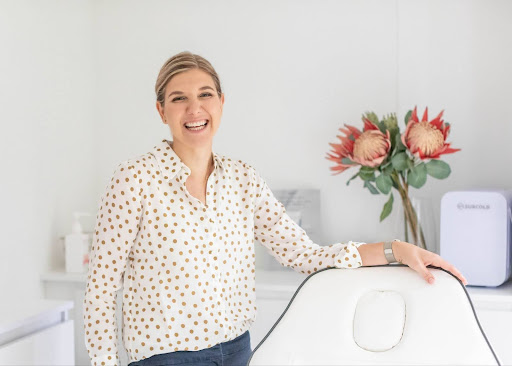
One of the most common questions I hear in clinic after a treatment is simple: “Do I really need to wear SPF every day?”
My answer is always the same. Yes. Especially after aesthetic treatments, SPF is not optional.
Treatments such as microneedling, chemical peels and skin rejuvenation therapies are designed to stimulate renewal within the skin. They encourage collagen production, improve texture and create healthier skin over time. However, these treatments also temporarily leave the skin more vulnerable to environmental damage.
Without proper protection, sun exposure can undo the benefits of treatment and even trigger complications such as pigmentation or prolonged redness.
At Fountain of Youth in Salisbury, I always explain that post-treatment skincare is just as important as the treatment itself. Protecting the skin barrier and preventing UV damage ensures that your results develop safely and last longer.
Why SPF Is Essential After Aesthetic Treatments
Aesthetic treatments often work by stimulating controlled skin renewal. This process encourages the body to repair and regenerate healthier tissue.
However, during this renewal phase the skin becomes temporarily more sensitive to ultraviolet radiation.
This means that sun exposure after treatments like microneedling can increase the risk of skin damage.
The skin becomes more vulnerable
When treatments stimulate skin regeneration, the outer layer of the skin can become thinner and more delicate during the healing phase.
This makes it easier for ultraviolet rays to penetrate the skin.
Pigmentation risks increase
One of the most common complications following skin treatments is post inflammatory hyperpigmentation.
Sun exposure during the healing period can trigger excess pigment production, particularly in patients who are prone to pigmentation.
Inflammation may worsen
UV exposure can also increase inflammation within the skin. This may prolong redness, delay healing and reduce the overall benefit of the treatment.
For these reasons, daily SPF protection is one of the most important elements of post-treatment care.
Treatments That Require Strict Sun Protection
Almost every aesthetic treatment benefits from careful sun protection, but some procedures make SPF particularly important.
Microneedling
Microneedling works by creating tiny controlled micro-injuries in the skin. This stimulates collagen production and improves texture.
During the healing phase, the skin is more sensitive to UV radiation. SPF after microneedling is essential to prevent pigmentation and protect the newly forming skin.
Chemical peels
Chemical peels accelerate skin cell turnover by removing the outer layers of damaged skin.
This reveals fresher skin underneath, which is significantly more sensitive to sunlight.
How UV Damage Affects Post-Treatment Skin
Many patients underestimate how quickly ultraviolet radiation can affect the skin.
Even brief exposure can cause damage during the healing period after aesthetic treatments.
UV radiation breaks down collagen
Collagen is the protein responsible for skin firmness and elasticity. Ultraviolet radiation accelerates collagen breakdown.
If collagen production is being stimulated by treatments like microneedling, sun exposure can counteract those benefits.
Pigmentation can become more visible
Inflamed or healing skin is more likely to produce excess pigment when exposed to sunlight. Pigment production is how the skin protects the DNA in it’s cells from UV damage.
This can lead to uneven skin tone and dark patches that take months to fade.
Skin ageing accelerates
Long term sun exposure is one of the main causes of premature skin ageing. Protecting the skin daily helps maintain smoother, healthier skin over time.
Choosing the Right SPF After Aesthetic Treatments
Not all sunscreens are the same. After professional treatments, it is important to select products that support skin healing rather than irritate it.
Broad spectrum protection
Look for sunscreens labelled broad spectrum, which means they protect against both UVA and UVB rays.
UVA rays contribute to ageing and collagen breakdown, while UVB rays cause sunburn and surface damage.
SPF 30 or higher
Most practitioners recommend SPF 30 or SPF 50 following aesthetic treatments.
Higher protection levels provide better defence during the healing phase.
Gentle formulations
Mineral or physical sunscreens form a physical barrier between your skin and the sun and zinc (one of the main ingredients in mineral sunscreens) is also well known for its skin healing benefits. Chemical sunscreens are absorbed into the skin which can cause irritation to compromised skin.
The Alumier range of sunscreens are all physical/ mineral sunscreens.
How Often Should You Apply SPF?
One of the biggest mistakes patients make is applying sunscreen only once in the morning.
For effective protection, SPF should be reapplied throughout the day.
Apply every morning
SPF should be the final step of your morning skincare routine.
Reapply every two to three hours
If you are outdoors, sunscreen should be reapplied regularly to maintain protection.
Do not forget cloudy days
Ultraviolet radiation can penetrate clouds, meaning SPF is still necessary even when the sun is not visible.
Supporting Your Skin After Treatment
While SPF is essential, it is only one part of effective post treatment skincare.
Hydration, barrier repair and gentle skincare all help support the healing process.
Strengthening the skin barrier
Ingredients such as ceramides and hyaluronic acid help restore the protective barrier and reduce sensitivity.
Avoiding harsh ingredients
Strong exfoliating acids and retinoids should often be paused during the initial healing phase after treatment.
Following professional aftercare advice
Every treatment has slightly different recovery requirements. Following the guidance provided during your consultation helps ensure optimal results.
At Fountain of Youth, I always emphasise that great skin results are achieved through a combination of professional treatments and consistent skincare habits.
Long Term Benefits of Daily SPF
Many people begin using SPF after aesthetic treatments but stop once the skin has healed.
In reality, daily sun protection is one of the most powerful anti ageing habits you can develop.
Consistent SPF use helps:
- prevent pigmentation
- slow collagen breakdown
- reduce premature ageing
- protect the results of professional treatments
Over time, this simple habit makes a significant difference to the overall health and appearance of the skin.
Protecting Your Results at Fountain of Youth Salisbury
Aesthetic treatments can dramatically improve skin texture, clarity and overall radiance. However, protecting the skin after treatment is essential to maintain these results.
At Fountain of Youth in Salisbury, every treatment is supported by detailed aftercare guidance and personalised skincare advice.
If you are considering treatments such as microneedling or other skin rejuvenation treatments, I always recommend beginning with a consultation so we can plan both the treatment and the aftercare strategy.
You can Book a consultation at Fountain of Youth Salisbury to discuss your skin goals and treatment options. Or visit the AlumierMD portal to grab my favourite mineral SPFs.
FAQs
Do you need SPF after microneedling?
Yes. The skin becomes more sensitive after microneedling, making it more vulnerable to ultraviolet radiation. Wearing SPF helps prevent pigmentation and protects the healing skin.
How long should you wear SPF after aesthetic treatments?
SPF should be worn daily after treatments for at least 2 weeks and ideally as part of your regular skincare routine long term to protect against UV damage and premature ageing.
Can sun exposure affect aesthetic treatment results?
Yes. Sun exposure can cause pigmentation, increase inflammation and reduce the benefits of treatments designed to improve skin quality.
What SPF is best after microneedling or chemical peels?
A broad spectrum sunscreen with SPF 30 or SPF 50 is generally recommended. Gentle mineral SPFs designed for sensitive or post-treatment skin are often best.
Should SPF be worn indoors?
Yes. Ultraviolet radiation can pass through windows and still affect the skin, so daily SPF use is recommended even when indoors. AlumierMD sheer hydration also contains Physavie which is a plant extract that protects against High Energy Visible-light (HEV) or blue light emitted from screens and the sun.