
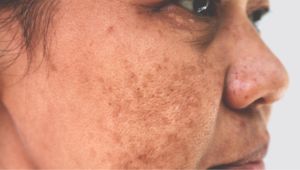
Pigmentation can be one of the most frustrating skin concerns to treat properly. Unlike dehydration or dullness, it usually cannot be improved with a single facial or a few weeks of skincare alone. The reality is that pigmentation is rarely “just surface deep”. Whether it presents as melasma, sun damage, post-inflammatory pigmentation after acne, or uneven patches of discolouration, successful treatment usually depends on understanding what is driving the pigmentation in the first place.
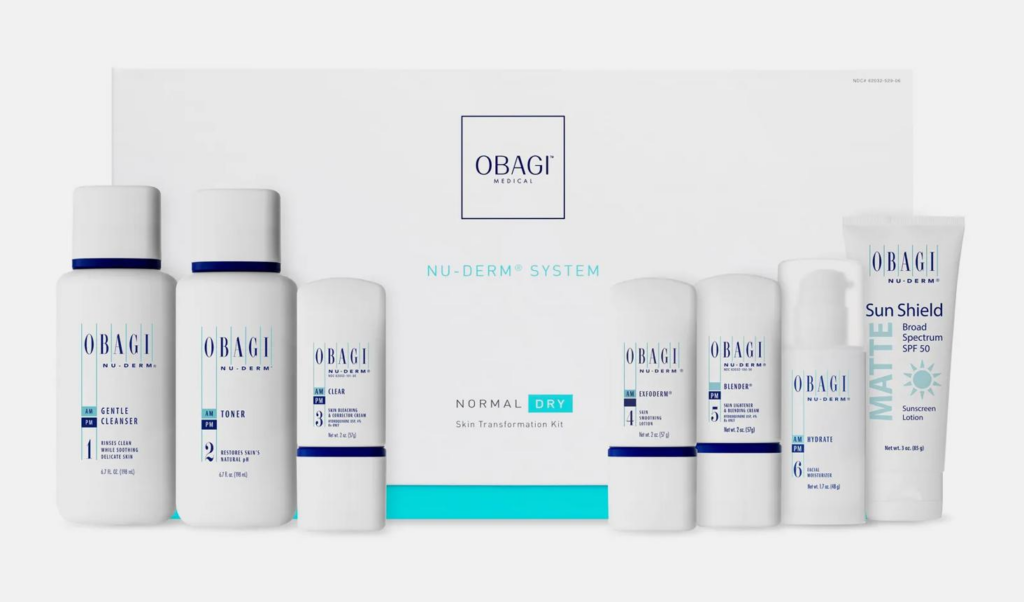
At Fountain of Youth in Salisbury, one of the most effective approaches we use for stubborn pigmentation concerns is the Obagi Nu-Derm® system, often combined with carefully selected treatments depending on the skin condition, severity, and underlying trigger. When used correctly and consistently, this kind of structured approach can dramatically improve skin clarity, brightness, and overall skin quality in a way that short-term treatments rarely achieve alone.
What Is Obagi Nu-Derm®?
Obagi Nu-Derm® is a medical-grade skin transformation system designed to improve hyperpigmentation, melasma, sun damage and uneven skin tone with the added benefit of improving rough texture, and visible signs of skin ageing at the same time. Unlike many standard skincare products that work only on the surface, Nu-Derm® is designed to work at a deeper cellular level to improve how the skin functions and renews itself over time. It encourages healthy skin cell turnover while helping regulate excess melanin production, which is one of the key drivers behind pigmentation.
In clinic, I often explain that the Obagi Nu-Derm® system takes an aggressive approach to pigmentation, transforming the skin over 18-24 weeks. Especially with melasma where single treatment options like lasers or IPL are not an option.
Who Is Obagi Nu-Derm® Suitable For?
We recommend Obagi Nu-Derm® for patients experiencing:
- Melasma
- Sun damage
- Hyperpigmentation
- Post-acne pigmentation
- Dull or photodamaged skin
- Fine lines and early skin ageing
The system is available for both normal-to-dry and normal-to-oily skin types.
For milder pigmentation concerns, we would usually start with a more conservative skincare-led approach. In more advanced cases, particularly with long-standing melasma or significant sun damage, we would normally look at combining Obagi Nu-Derm® with in-clinic treatments for a more comprehensive result.
What Does the Obagi Nu-Derm® System Include?
The exact programme may vary depending on the patient, but it commonly includes:
- Cleanser
- Toner
- Exfoliating products
- Brightening products (prescription needed)
- Prescription-strength retinoid or retinol-based products
- Moisturiser
- High-protection SPF
Many of the active ingredients are designed to exfoliate damaged skin cells, accelerate skin renewal, and improve overall skin clarity and texture.
SPF is particularly important during treatment because the skin becomes more sensitive to UV exposure as cell turnover increases.
How Long Does Obagi Nu-Derm® Take to Work?
Most patients begin seeing visible changes within several weeks, although the full transformation process typically takes several months. Many protocols are followed for approximately 18 to 24 weeks depending on the skin concern being.
The earlier stages of treatment can involve:
- Redness
- Dryness
- Flaking
- Tightness
- Increased sensitivity
These reactions are common during the active transformation phase and usually indicate increased skin renewal. The skin generally settles as treatment progresses and healthier, more evenly functioning skin begins to develop. A slower approach can reduce these reactions.
Can Obagi Nu-Derm® Be Combined With Other Treatments?
Pigmentation is rarely the only concern patients have. Many also experience texture irregularities, acne scarring, dullness, dehydration, redness, or early skin laxity.
At Fountain of Youth Salisbury, Obagi Nu-Derm® can be incorporated into broader treatment plans alongside other skin rejuvenation treatments available at the clinic.
Chemical Peels for Pigmentation
Chemical Peels can work extremely well alongside Obagi Nu-Derm® for carefully selected patients. Chemical peels help exfoliate damaged surface skin cells while stimulating healthier skin regeneration beneath the surface. This can improve overall skin brightness and accelerate improvement in uneven pigmentation. However, treatment choice matters.
In pigmentation-prone skin, particularly melasma, overly aggressive peels can sometimes create excess inflammation and worsen discolouration. For this reason, we usually tailor the strength and frequency carefully based on how reactive the skin is.
Microneedling for Pigmentation and Texture
Microneedling can be useful for patients experiencing post-inflammatory pigmentation after acne, alongside uneven texture or mild scarring. It is never the primary treatment for pigmentation.
Microneedling stimulates collagen production through controlled micro-injuries within the skin while using serums targeting pigmentation. Over time, this can help improve skin quality, support regeneration, and soften residual pigmentation.
In more advanced cases, treatment sequencing is important. We would stabilise inflammation and pigment activity with skincare before introducing more stimulating procedures.
Why Maintenance Matters With Pigmentation
One of the biggest misconceptions around pigmentation treatment is that results are permanent. In reality, many pigmentation conditions, especially melasma, require ongoing management.
Even after successful improvement, triggers such as UV exposure, heat, hormones, and inflammation can reactivate pigment production again. This is why maintenance skincare and daily SPF are so important.
Patients who continue protecting their skin and following a maintenance plan usually maintain clearer, brighter skin for significantly longer.
Is Obagi Nu-Derm® Suitable for Sensitive Skin?
Patients with very reactive skin, rosacea-prone skin, or a significantly impaired skin barrier may require slower introduction protocols or alternative treatment pathways.
In clinic we often see patients who have unintentionally damaged their barrier by layering too many active products at home. In these situations, restoring barrier health first is often more important than immediately targeting pigmentation aggressively. This is why you need to undergo a proper consultation before beginning treatment.
What Results Can Patients Expect?
Results vary depending on the type and severity of pigmentation, skin consistency, and underlying triggers.
Most patients notice:
- Brighter skin tone
- Improved skin clarity
- Reduced visible pigmentation
- Smoother skin texture
- Healthier-looking skin overall
- Improved radiance
The most successful outcomes are usually gradual and controlled rather than dramatic overnight changes. In our experience, patients who commit to the process can achieve significantly healthier and more resilient skin overall, not simply lighter pigmentation.
FAQs
Does Obagi Nu-Derm® permanently remove pigmentation?
Pigmentation can improve significantly, but ongoing maintenance is usually needed to help prevent recurrence, particularly with melasma.
How long does Obagi Nu-Derm® take to work?
Most patients begin seeing improvement within several weeks, with more noticeable transformation developing over several months.
Is peeling normal during Obagi Nu-Derm® treatment?
Yes. Mild redness, dryness, peeling, and flaking are common during the earlier stages of treatment as skin turnover increases. But slower protocols can be followed to limit this.
Can microneedling help pigmentation?
Yes alongside skincare and particularly with post-inflammatory pigmentation associated with acne and uneven texture
Are chemical peels good for pigmentation?
Chemical peels can help improve pigmentation when selected carefully and tailored appropriately to the skin condition.
Why does pigmentation keep coming back?
Pigmentation is often triggered by UV exposure, hormones, inflammation, and heat. Long-term maintenance and SPF are usually essential for maintaining results.
Considering Obagi Nu-Derm® in Salisbury?
Pigmentation treatment is rarely about chasing a quick fix. The best outcomes usually come from understanding the underlying trigger, improving overall skin health, and creating a treatment plan that supports the skin long term.
At Fountain of Youth Salisbury, we offer personalised pigmentation treatment plans using Obagi Nu-Derm®, Chemical Peels, Microneedling, and other similar treatments tailored to your skin condition and goals.
Whether you are dealing with melasma, post-acne pigmentation, or long-term sun damage, book a consultation to determine which treatment approach is most appropriate for your skin.