
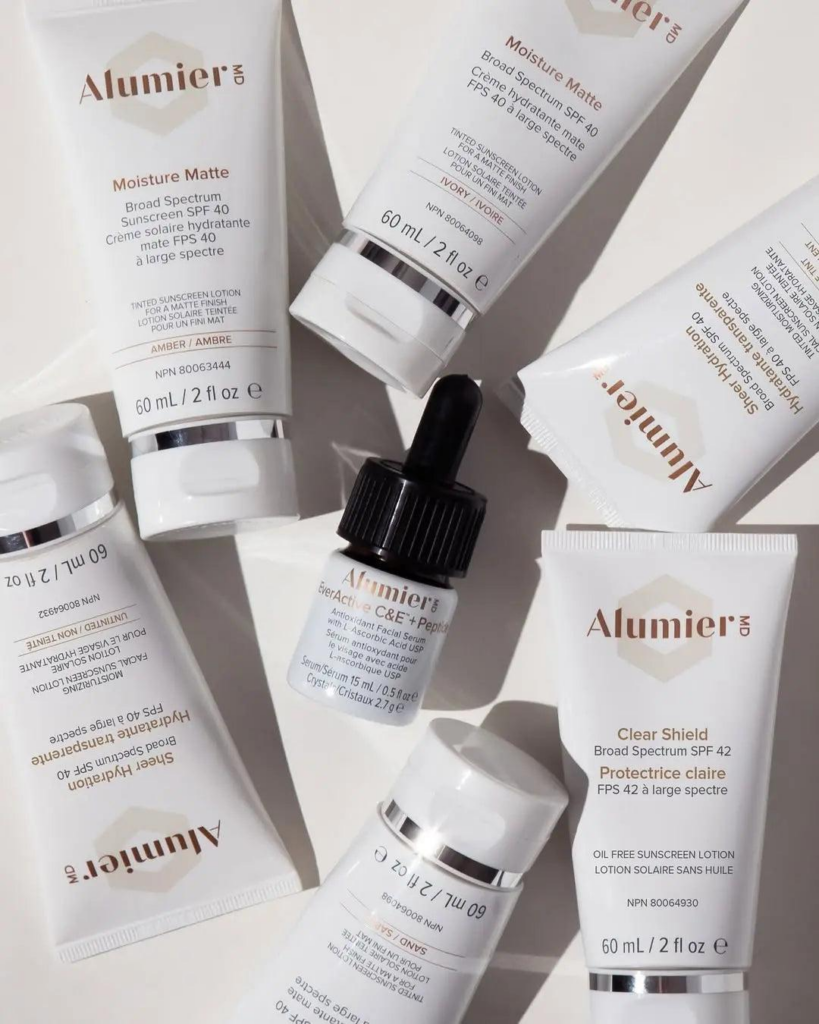
When patients think about skin ageing, they often blame genetics, stress, or getting older. While all of those play a role, one of the biggest causes of premature skin ageing is cumulative sun damage.
At Fountain of Youth in Salisbury, many of the skin concerns we treat are directly influenced by sun exposure. Treatments can improve visible damage already present within the skin, but prevention remains equally important if patients want to maintain healthier skin long term.
How Does Sun Damage Cause Skin Ageing?
Sun damage affects the skin on both a visible and structural level. Ultraviolet radiation, particularly UVA rays, penetrates deeply into the skin and accelerates the breakdown of collagen and elastin. These are the proteins responsible for keeping skin firm, smooth, and resilient.
Over time, repeated UV exposure weakens the skin’s structure and repair processes, contributing to:
- Fine lines and wrinkles
- Pigmentation and uneven skin tone
- Rough, dehydrated skin texture
- Redness and visible capillaries
- Loss of firmness and thinning skin quality
While ageing itself is natural, premature photoageing from UV exposure can dramatically accelerate these changes. In fact, many of the visible signs patients associate with “getting older” are actually linked more closely to cumulative sun exposure than age alone.
Are You Using SPF Correctly?
One of the biggest SPF mistakes is inconsistency. Many patients apply SPF only during sunny weather or when going abroad. Others rely on makeup SPF alone or apply far less product than is needed to achieve adequate protection.
As a general guide:
- SPF should be worn daily throughout the year
- Broad-spectrum SPF 30 or above is recommended
- Most adults require approximately two finger lengths for the face and neck
- SPF should be reapplied during prolonged outdoor exposure
In practice, even excellent skincare routines struggle to fully compensate for ongoing UV damage if SPF habits remain poor.
Why Does Sun Damage Cause Pigmentation?
UV exposure stimulates melanin production within the skin as part of the body’s natural defence mechanism.
Over time some of the cells that produce melanin get overstimulated, this can contribute to:
- Sun spots
- Patchy pigmentation
- Uneven skin tone
- Melasma flare-ups
- Post-inflammatory pigmentation lingering longer
For some patients, pigmentation develops slowly over years. Others notice rapid worsening after periods of increased sun exposure or following skin inflammation.
Without proper SPF protection, pigmentation can become increasingly difficult to manage because UV exposure continues triggering melanocyte activity within the skin.
Chemical Peels for Pigmentation and Surface Sun Damage
Chemical peels are commonly used to improve visible signs of sun damage affecting the surface layers of the skin.
Chemical peels exfoliate damaged skin cells and encourage healthier skin regeneration underneath. Depending on the type and strength of peel used, they can help improve:
- Mild pigmentation
- Sun spots
- Dull skin
- Uneven texture
- Congestion
- Fine lines
We often start with lighter peels gradually performed over a course of treatments. This allows the skin to brighten progressively while minimising downtime. SPF is particularly important after chemical peels because newly resurfaced skin becomes temporarily more vulnerable to UV damage.
How Does Sun Damage Affect Collagen?
One of the most significant ways UV exposure ages the skin is through collagen degradation.
Collagen gives skin its firmness and structural support. As UV exposure breaks collagen down faster than the body can replace it, the skin gradually becomes less elastic, and more lined. This can begin earlier than many people realise, especially in patients with prolonged sun exposure histories.
Microneedling for Collagen Stimulation
Microneedling works by creating controlled micro-injuries within the skin to stimulate collagen and elastin production naturally.
We often recommend microneedling for patients beginning to notice:
- Early skin ageing
- Fine lines
- Uneven texture
- Mild acne scarring
- Enlarged pores
- Reduced skin firmness
Patients sometimes underestimate how much UV exposure contributes to collagen depletion over time. Microneedling helps encourage the skin’s repair response and can gradually improve overall skin quality when performed as part of a structured treatment plan.
However, collagen stimulation treatments work best when paired with proper daily SPF use. Continuing excessive UV exposure while trying to rebuild collagen can limit long-term improvement.
Why Does Sun-Damaged Skin Often Look Dehydrated?
Sun exposure weakens the skin barrier and increases transepidermal water loss over time. This is why patients with chronic UV damage often describe their skin as feeling tight, rough, dry, dull, thinner, and noticeably less radiant.
Skin Boosters for Dehydrated Skin Ageing
Skin boosters are designed to improve hydration and overall skin quality from within the skin itself. Rather than adding facial volume, they focus on improving:
- Skin hydration
- Smoothness
- Elasticity
- Crepey texture
- Overall skin radiance
We recommend skin boosters for patients whose skin feels depleted or environmentally aged despite using moisturisers regularly at home. Ongoing SPF use remains essential afterwards because UV exposure continues contributing to oxidative stress and collagen decline within the skin.
Can Sun Exposure Make Wrinkles Worse?
Sun damage plays a major role in how wrinkles develop and deepen over time. While facial movement naturally contributes to expression lines, UV exposure accelerates the ageing process by weakening collagen and elastin within the skin.
This is why patients often notice lines becoming more visible, more persistent, and eventually present even when the face is at rest. Areas repeatedly exposed to both movement and sun damage, particularly around the eyes, forehead, and mouth, are usually affected first.
Anti-Wrinkle Injections for Photoageing
Anti-wrinkle injections help soften the repetitive muscle movement responsible for dynamic lines and can help prevent those lines becoming more deeply etched into the skin over time.
The treatment is commonly used for concerns such as:
- Forehead lines
- Frown lines
- Crow’s feet
- Early expression lines
- Preventative skin ageing
Anti-wrinkle treatment works best when combined with good long-term skin habits. While the treatment helps reduce movement-related wrinkling, some lines may not improve as easily.
How Does Sun Damage Affect Facial Structure?
Sun damage affects far more than the surface of the skin. Over time, repeated UV exposure contributes to collagen depletion, skin quality, and gradual loss of structural support within the face.
As collagen and elastin break down, patients often begin to notice changes such as hollowing, deeper folds, reduced firmness, and a gradual loss of facial definition. These changes tend to develop slowly and are often accelerated by years of cumulative sun exposure combined with the natural ageing process.
Dermal Fillers for Advanced Skin Ageing
Dermal fillers are used to restore support, structure, and balance in areas affected by volume depletion and collagen loss. We recommend dermal fillers for patients who notice:
- Hollowing and facial volume loss
- Deeper lines and folds
- Reduced skin support
- Loss of contour and definition
- Tired or sun-aged facial appearance
Protecting the skin from continued UV exposure helps slow further collagen breakdown and supports longer-term skin quality moving forward.
FAQs About SPF and Skin Ageing
Does SPF really prevent skin ageing?
Yes. Daily SPF helps reduce UV-induced collagen breakdown, pigmentation, and premature photoageing.
Can cloudy weather still damage the skin?
Yes. UVA rays penetrate through clouds and contribute to skin ageing year-round.
Why does pigmentation keep returning?
Without proper SPF use, UV exposure continues stimulating melanin production, making pigmentation recur more easily.
Can sun damage be reversed?
Many visible signs of sun damage can be improved with professional treatments and skincare, although prevention remains extremely important.
Which treatments help sun-damaged skin most?
This depends on the severity of damage. Chemical peels, microneedling, skin boosters, and professional skincare are commonly used depending on the patient’s concerns and skin condition.
Is SPF necessary after skin treatments?
Yes. Healing skin is more vulnerable to UV exposure, making daily SPF particularly important after treatment.
Supporting Long-Term Skin Health
At Fountain of Youth, we help patients throughout Salisbury and surrounding areas understand how everyday UV exposure contributes to premature skin ageing and which treatments may help improve visible sun damage over time. Whether you are concerned about pigmentation, dehydration, fine lines, collagen loss, or overall skin quality, book a consultation to discuss the most appropriate treatment and skincare approach for supporting healthier, stronger skin long term.